Acting
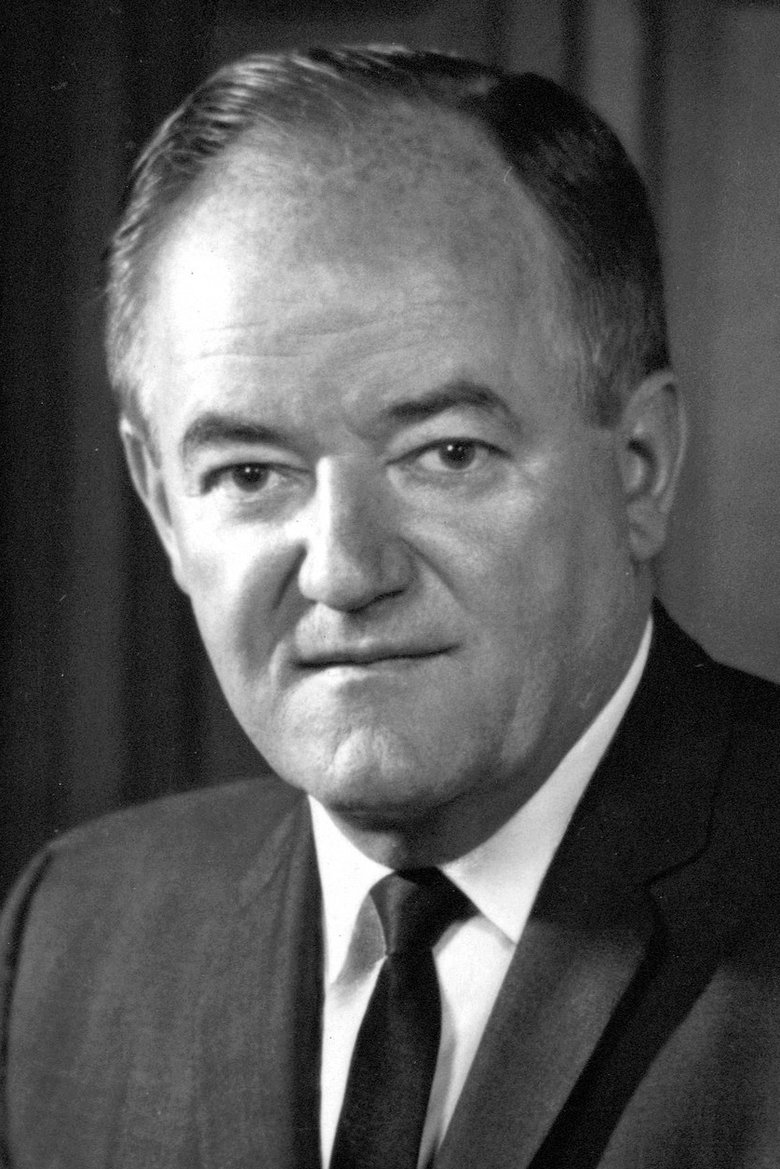
Hubert H. Humphrey
Hubert Horatio Humphrey Jr. (May 27, 1911 – January 13, 1978) was an American pharmacist and politician who served as the 38th vice president of the United States from 1965 to 1969. He twice served in the United States Senate, representing Minnesota from 1949 to 1964 and 1971 to 1978. As a senator he was a major leader of modern liberalism in the United States. As President Lyndon B. Johnson's vice president, he supported the controversial Vietnam War. An intensely divided Democratic Party nominated him in the 1968 presidential election, which he lost to Republican nominee Richard Nixon. Born in Wallace, South Dakota, Humphrey attended the University of Minnesota. In 1943, he became a professor of political science at Macalester College and ran a failed campaign for mayor of Minneapolis. He helped found the Minnesota Democratic–Farmer–Labor Party (DFL) in 1944; the next year he was elected mayor of Minneapolis, serving until 1948 and co-founding the liberal anti-communist group Americans for Democratic Action in 1947. In 1948, he was elected to the U.S. Senate and successfully advocated for the inclusion of a proposal to end racial segregation in the 1948 Democratic National Convention's party platform. Humphrey served three terms in the Senate from 1949 to 1964, and was the Senate Majority Whip for the last four years of his tenure. During this time, he was the lead author of the Civil Rights Act of 1964, introduced the first initiative to create the Peace Corps, and chaired the Select Committee on Disarmament. He unsuccessfully sought his party's presidential nomination in 1952 and 1960. After Lyndon B. Johnson acceded to the presidency, he chose Humphrey as his running mate, and the Democratic ticket won a landslide victory in the 1964 election. In March 1968, Johnson made his surprise announcement that he would not seek reelection, and Humphrey launched his campaign for the presidency. Loyal to the Johnson administration's policies on the Vietnam War, he received opposition from many within his own party and avoided the primaries to focus on winning the delegates of non-primary states at the Democratic National Convention. His delegate strategy succeeded in clinching the nomination, and he chose Senator Edmund Muskie as his running mate. In the general election, he nearly matched Nixon's tally in the popular vote but lost the electoral vote by a wide margin. After the defeat, he returned to the Senate and served from 1971 until his death in 1978. He ran again in the 1972 Democratic primaries but lost to George McGovern and declined to be McGovern's running mate. From 1977 to 1978, he served as Deputy President pro tempore of the United States Senate. From Wikipedia, the free encyclopedia
Filmography

Spartamerika
Film · 2026

Utah in the ’70s
Film · 2026

The Road to Mass Incarceration
Film · 2018

Race for the White House
Series · 2016

Our Nixon
Film · 2013

Hubert H. Humphrey: The Art of the Possible
Film · 2010
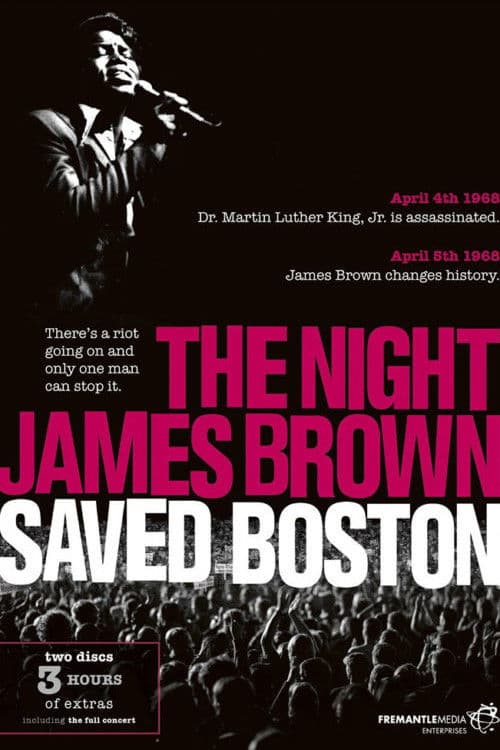
James Brown - The Night James Brown Saved Boston
Film · 2008

Sputnik Mania
Film · 2007

...So Goes the Nation
Film · 2006

Trinity and Beyond: The Atomic Bomb Movie
Film · 1995

Chicago 1968
Film · 1995

Freedom on My Mind
Film · 1994

Nixon
Film · 1990

American Experience
Series · 1988

The War at Home
Film · 1979

James Brown Soul Brother No. 1
Film · 1978

Cold Turkey
Film · 1971
Cold Turkey
Film · 1971

King: A Filmed Record... Montgomery to Memphis
Film · 1970

A Private Decision
Film · 1970

The President, April 1968
Film · 1968
Chicago
Film · 1968

The Dick Cavett Show
Series · 1968

60 Minutes
Series · 1968

A Nation Builds Under Fire
Film · 1967
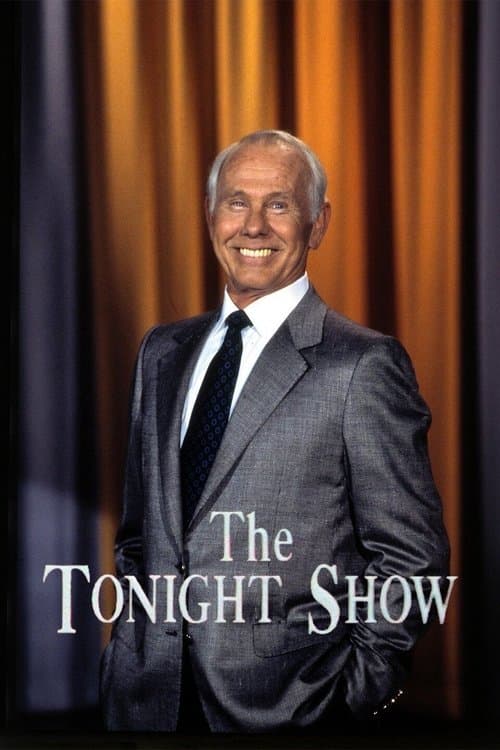
The Tonight Show Starring Johnny Carson
Series · 1962

Adventures on the New Frontier
Film · 1961
The Mike Douglas Show
Series · 1961

Primary
Film · 1960

Campaign 1968
Film