Acting
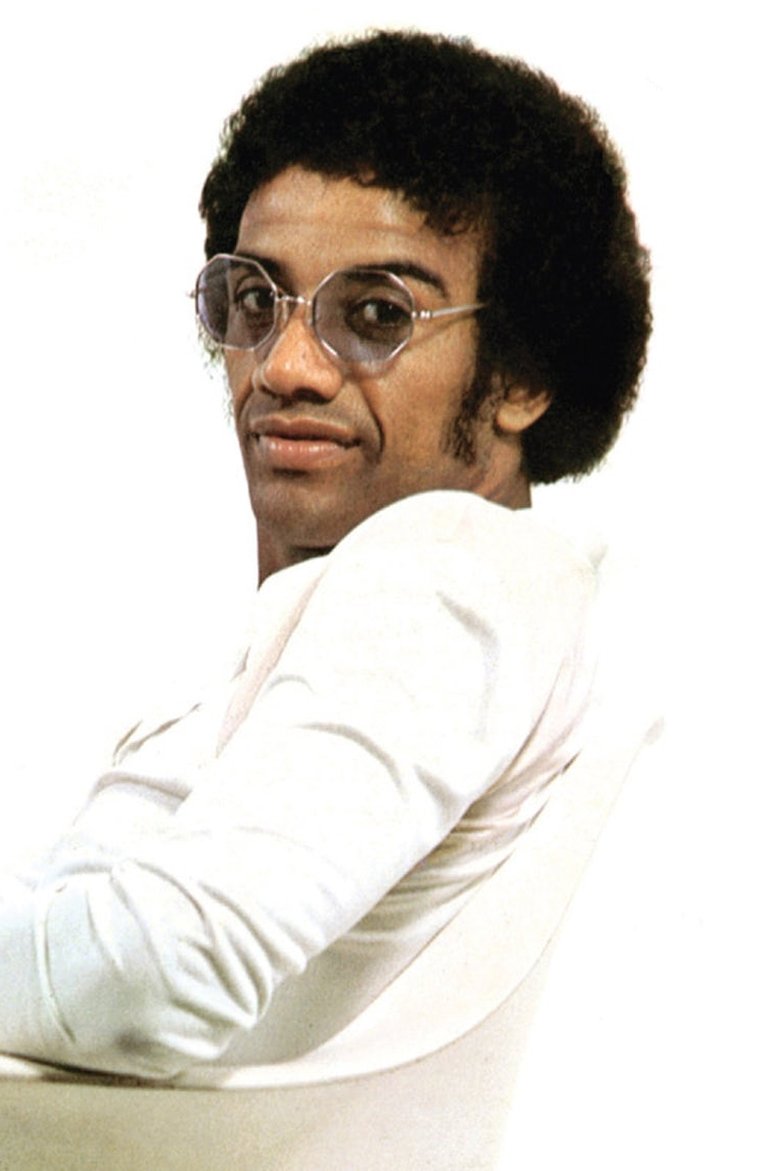
Jorge Ben Jor
Jorge Duílio Lima Menezes (born March 22, 1939) is a Brazilian popular musician, performing under the stage name Jorge Ben Jor since the 1980s, though commonly known by his former stage name Jorge Ben. His characteristic style fuses samba, funk, rock and bossa nova with lyrics that blend humor and satire with often esoteric subject matter. His hits include "Chove Chuva", "Mas, que Nada!", "Ive Brussel" and "Balança Pema", and have been interpreted by artists such as Caetano Veloso, Sérgio Mendes, Miriam Makeba, Soulfly and Marisa Monte. Ben's broad-minded and original approach to samba led him through participation in some of Brazilian popular music's most important musical movements, such as bossa nova, Jovem Guarda, and Tropicália, with the latter period defined by his albums Jorge Ben (1969) and Fôrça Bruta (1970). He has been called "the father of samba rock", by Billboard magazine. According to American music critic Robert Christgau, Ben and his contemporary Gilberto Gil were "always ready to go further out on a beat than the other samba/bossa geniuses". Born Jorge Duílio Lima Menezes in Rio de Janeiro, he first took the stage name Jorge Ben after his mother's name (Sílvia Saint Ben Lima, Brazilian-born of Ethiopian origin) but in the 1980s changed it to Jorge Ben Jor (commonly written Benjor). Jorge Ben obtained his first pandeiro (Brazil's most popular type of tambourine) when he was thirteen, and two years later, was singing in a church choir. He also took part as a pandeiro player in the blocos of Carnaval, and from eighteen years of age, he began performing at parties and nightclubs with the guitar given to him by his mother. He was given the nickname "Babulina" after his enthusiastic pronunciation of rockabilly singer Ronnie Self's song "Bop-A-Lena". Was introduced to Tim Maia by Erasmo Carlos. It was in 1963 at one of those clubs in which he performed that Jorge's musical career took off; he came on stage and sang "Mas, que Nada!" to a small crowd that happened to include an executive from the recording company, Philips. One week later, Jorge Ben's first single was released. The hybrid rhythms that Jorge employed brought him some problems at the start of his career, when Brazilian music was split between the rockier sounds of the Jovem Guarda and traditional samba with its complex lyrics. However, as that phase in Brazilian pop music history passed and bossa nova became better known throughout the world, Ben rose to prominence. Holdings both television programs O Fino da Bossa and Jovem Guarda from Rede Record, after being reprimanded by the production of "O Fino da Bossa", chose to participate in the Jovem Guarda, soon after, joined the program Divino, Maravilhoso from TV Tupi, presented by Caetano Veloso and Gilberto Gil. ... Source: Article "Jorge Ben" from Wikipedia in English, licensed under CC-BY-SA 3.0.
Filmography

Hold the press!
Film · 2026

Memphis - Echoes of a New World
Film · 2025

Chic Show
Film · 2023

Com a Palavra, Arnaldo Antunes
Film · 2018

Um Filme Francês
Film · 2015

André Midani - An Insider’s Story Of Brazilian Music
Film · 2015

Zeca Apresenta: O Quintal do Pagodinho – Ao vivo
Film · 2012

Straight to the Point
Film · 2012

Duetos
Film · 2010
Person
Film · 2007

Jorge Ben Jor - Energia
Film · 2007

Racionais MC's - 1000 Trutas, 1000 Tretas
Film · 2006
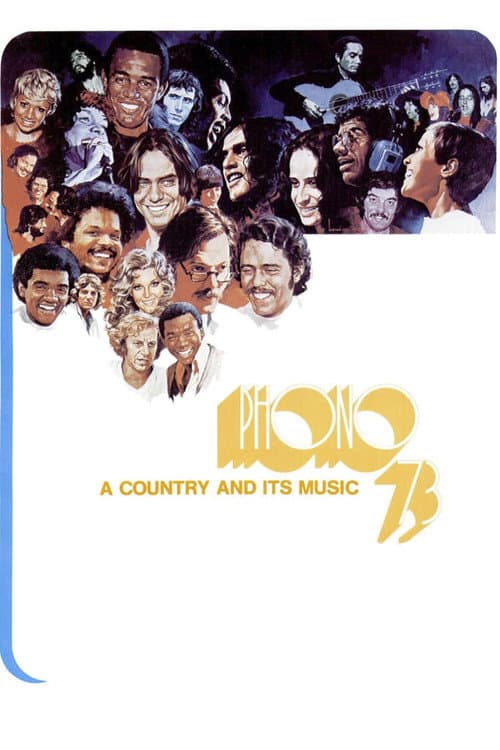
Phono 73: A Country and its Music
Film · 2005

O Melhor do Acústico MTV
Film · 2005

Casa de Samba
Film · 2003

Acústico MTV: Jorge Ben Jor
Film · 2002
Toquinho
Film · 2001
Multishow Ao Vivo - Brasil
Film · 2001
Coruja
Film · 2001

Acústico MTV: Art Popular
Film · 2000

Paralamas em Close Up
Film · 1998
Flamengo: A Century of Passion
Film · 1995

Black Fragments of Samba - Gilberto Gil, Serene Passion
Film · 1987

Chico & Caetano
Series · 1986

Partido Alto
Series · 1984
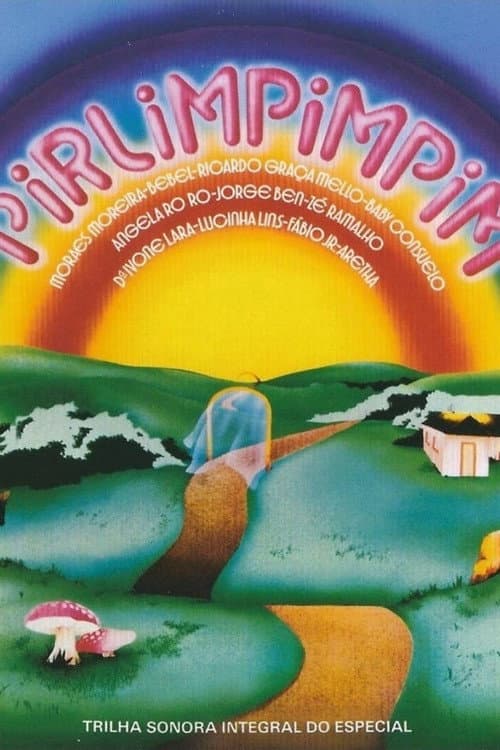
Pirlimpimpim
Film · 1982

Champs-Elysées
Series · 1982

Grandes Nomes
Series · 1980
Paulo Moura
Film · 1978

The Trapalhões
Series · 1977

Les Rendez-vous du dimanche
Series · 1975

Uma Nega Chamada Tereza
Film · 1970